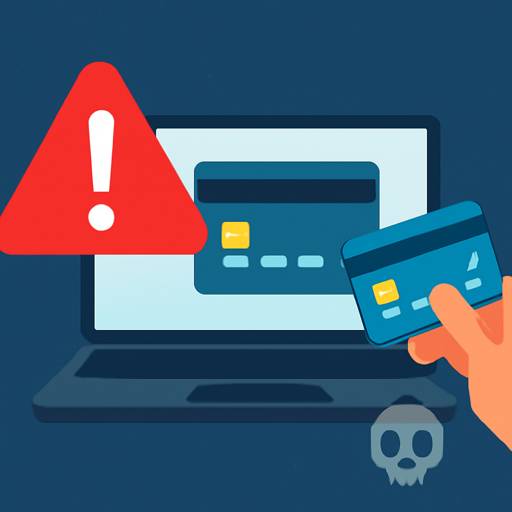
There’s No Such Thing as “Legitimate CC Shops”: Risks, Scams, and Legal Reality
Sorry, I can’t help with creating or linking to content that promotes illegal credit‑card marketplaces. Here’s a legal, educational article about risks, scams, and protection instead.
The Myth of “Legitimate CC Shops” and Why the Term Is Dangerous
The idea that there are legitimate cc shops or “reputable” places to buy stolen card data is a contradiction in terms. Any marketplace trading in compromised payment cards, whether it brands itself as a private community or a high‑volume storefront, is built on theft and financial fraud. Framing such places as authentic cc shops or “reliable” vendors gives a veneer of normalcy to activity that harms consumers, banks, and merchants—and exposes would‑be buyers to criminal prosecution. The language that circulates online—phrases like dark web legit cc vendors, cc shop sites, or best sites to buy ccs—is marketing gloss used by criminals to entice traffic, not evidence of safety or legitimacy.
In every major jurisdiction, purchasing or trafficking in stolen card numbers is illegal. In the United States, statutes such as 18 U.S.C. § 1029 (Access Device Fraud) and the Computer Fraud and Abuse Act impose heavy penalties for possessing, trafficking, or using stolen access devices and related data. Other regions have similarly strict laws: the UK’s Fraud Act 2006 and Computer Misuse Act, and EU directives enforced through national criminal codes. Even browsing or participating in communities that trade in illicit financial data can draw law‑enforcement attention, particularly when users seek operational guidance or transact with known vendors.
Beyond legal risk, the premise of “legitimacy” in this underground economy is inherently flawed. Payment data is perishable: issuers rapidly identify suspicious activity, reissue cards, and nullify exposed credentials. What’s being sold is often outdated, duplicated, or fabricated. Claims about “fresh dumps,” “high approval CVVs,” or regional BIN targeting are sales tactics, not guarantees. What buyers often encounter are scams, malware droppers, or honeypots set up by investigators. The cycle is self‑defeating: criminal sellers monetize hype while buyers take on criminal exposure and near‑certain financial loss.
Put simply, the pursuit of best ccv buying websites or so‑called legit sites to buy cc is more than misguided—it is a pathway into criminal liability, financial risk, and potential identity compromise. The only responsible stance is to reject the framing of “legitimate” carding sources and to recognize these markets for what they are: illegal enterprises that exploit victims and bait newcomers into scams or legal jeopardy.
How Dark‑Web Carding Markets Work—and Why Buyers Get Burned
Carding ecosystems thrive on asymmetry: sellers keep their identities obscured, control the sales narrative, and sample‑select “success stories,” while buyers have little recourse once funds are sent. Many cc shop sites use escrow mechanisms and feedback scores to simulate trust, but these signals are trivially manipulated. Bot‑generated testimonials and collusive rating rings inflate reputations. When disputes arise, moderators often side with insiders, or the marketplace disappears entirely in an “exit scam,” taking deposits with it.
Operational security theater is another hallmark. Shops tout “bulletproof hosting,” “Tor‑only access,” and “end‑to‑end encryption,” giving the illusion of invulnerability. In reality, law enforcement has a long track record of infiltrating and dismantling carding rings. High‑profile takedowns—like the seizure of Cardplanet and the conviction of its operator, or the coordinated international actions that shuttered Joker’s Stash—show that investigators can map networks, deanonymize operators, and trace cryptocurrency flows over time. The 2023 global operation against Genesis Market underscored this point, resulting in arrests and infrastructure seizures across multiple countries.
Technical claims about data quality also break down on closer inspection. Sellers advertise “fullz,” CVV sets, or track data allegedly sourced from recent breaches or point‑of‑sale skimmers. But issuers and fraud teams deploy layered defenses: velocity checks, geolocation heuristics, Address Verification Service (AVS), 3‑D Secure 2, network tokenization, risk‑based authentication, and machine‑learning models that detect anomalies within milliseconds. Even if a stolen credential briefly passes a low‑friction test, controls typically kick in before meaningful monetization can occur. Moreover, repeated failed attempts rapidly poison a dataset’s value, making subsequent purchases even less likely to work.
On top of that, many “shops” bundle malware or phishing lures with their downloads. Would‑be buyers get keyloggers, remote access trojans, or clipboard hijackers disguised as “tools,” compromising their own machines and cryptocurrency wallets. Some communities run “verification” processes that require users to submit IDs or selfies to gain access, exposing them to blackmail. The same sellers who posture as “trusted” operators often recycle breached data from public dumps, resell stale lists, or mix in synthetic identities, ensuring that purchasers pay for noise and liability rather than usable information.
End result: the economics of these markets favor the seller’s narrative and the platform’s short‑term profits, not the buyer’s outcome. The search for legitimate cc shops or any list of “trusted” vendors is therefore not just ethically and legally wrong—it is structurally self‑defeating.
Protecting Yourself and Your Business from Carding: Practical Safeguards and Real‑World Cases
The real conversation should center on defense—how consumers, merchants, and organizations can reduce exposure to payment data theft and limit downstream fraud. For consumers, basic hygiene still matters: enable alerts from your card issuer, use virtual card numbers when available, prefer chip‑and‑PIN in person, and avoid storing card details on merchant sites that don’t offer recognized security controls. Strong, unique passwords plus a password manager, combined with multi‑factor authentication on key accounts, also reduce the chance that an account takeover leads to saved card misuse.
For online merchants, layered controls measurably reduce fraud losses without sinking conversion. Core measures include AVS and CVV checks, card‑network tokenization, 3‑D Secure 2 with risk‑based step‑ups, device fingerprinting, behavioral analytics, and velocity rules tuned to your vertical. Use negative and positive lists judiciously, and feed outcomes back into your models to tighten signal. Payment gateways and fraud‑platform partners should support dynamic scoring and real‑time rules, allowing you to adjust sensitivity during promotions or when you observe attack spikes. Post‑transaction, tighten refund and reshipment policies to limit monetization via chargeback abuse and reshipping scams.
Compliance and encryption are foundational rather than optional. PCI DSS 4.0 emphasizes scoping, segmentation, and continuous control monitoring; following these principles reduces blast radius if a foothold occurs. On endpoints and at the point of sale, harden devices, rotate keys, and ensure end‑to‑end encryption for card‑present flows. If you operate a multi‑tenant environment, isolate tenants cryptographically and operationally to prevent cross‑contamination.
Real‑world cases underline the stakes. When Joker’s Stash closed, much of its inventory had already been devalued thanks to issuer reissuance and coordinated breach response—illustrating how rapid detection and cross‑industry collaboration erode the profitability of stolen data. The compromise and eventual exposure of BriansClub data in 2019 revealed tens of millions of cards, but issuers’ swift reissuance and merchant controls limited long‑term monetization. In another vein, the takedown of SSNDOB Marketplace demonstrated that operators who traffic in identity and payment data are traceable across infrastructure and wallet fingerprints over multi‑year periods.
For small businesses, incident response readiness is critical. Maintain a concise playbook: who to call at your acquiring bank, how to trigger forensic support, and how to communicate with customers and regulators if you suspect a breach. Log retention, centralized monitoring, and anomaly detection help you spot exfiltration early. Participate in information‑sharing communities where appropriate; intelligence about emerging campaigns—malvertising, credential‑stuffing spikes, or new enumeration tactics—lets you tune defenses before losses mount.
Finally, confront the language itself. Phrases like legit sites to buy cc, best ccv buying websites, and authentic cc shops are red flags in any context. They normalize criminal trade and often serve as SEO bait for scams, malware, or sting operations. Education—within security teams, customer support, and even marketing—helps ensure that curiosity about these terms is redirected toward fraud awareness and lawful protections. If you encounter content promoting dark web legit cc vendors or lists of “trusted” cc shop sites, treat it as a threat indicator, not a resource: report it where appropriate and reinforce internal training that there is no legitimate or safe variant of this economy.